

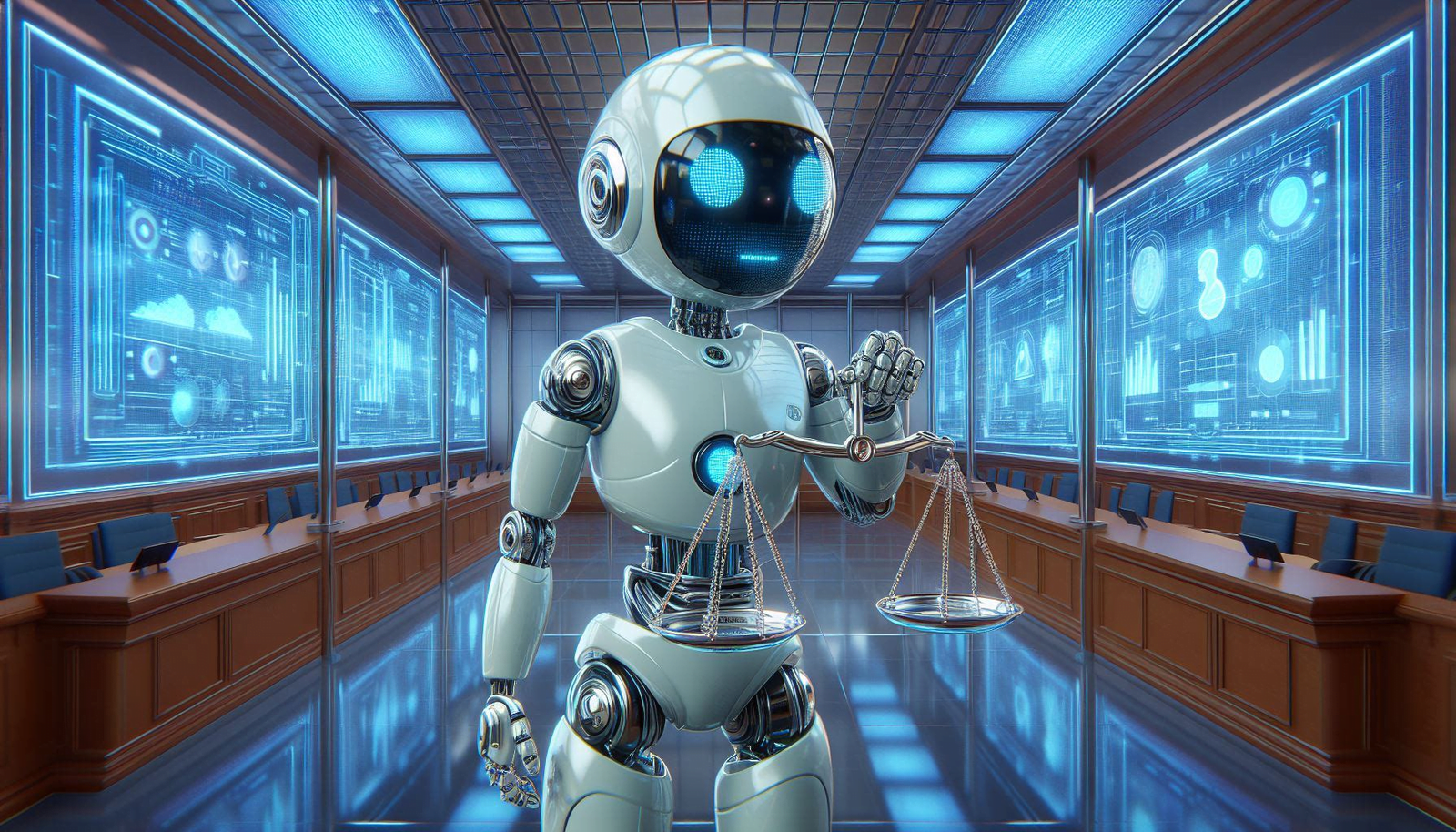
The Ethics of Artificial Intelligence: Navigating the Moral Maze in Modern Society
The ethics of artificial intelligence has become one of the most urgent conversations of our time. As AI systems moved from research labs into courtrooms, hospitals, hiring processes, and financial institutions, the decisions made by algorithms began affecting real lives in consequential ways. Understanding the ethics of artificial intelligence is no longer optional for technologists — it is a civic and professional responsibility for anyone engaged with the technology reshaping our world.
Understanding the Ethics of Artificial Intelligence

Artificial Intelligence is the simulation of human intelligence processes by machines — encompassing learning, reasoning, and self-correction. Its applications range from the virtual assistants in our smartphones to complex systems powering predictive diagnostics in healthcare, credit scoring in finance, and content moderation on social media platforms. The ethics of artificial intelligence asks a fundamental question: when systems this powerful affect human lives, who is responsible for ensuring they do so fairly, transparently, and accountably? The stakes are explored in depth in our overview of the future of artificial intelligence.
1. The Balancing Act: AI Advantages vs. Ethical Dilemmas

The ethics of artificial intelligence begins with acknowledging its genuine benefits alongside its real risks. AI’s ability to enhance efficiency was evident across industries throughout 2024. In healthcare, algorithms analyzed complex medical data faster than human physicians, enabling quicker and more accurate diagnoses. In finance, AI models predicted market trends and detected fraud in real time. In transportation, autonomous systems were designed to reduce accidents and improve traffic flow. These benefits were real and substantial — as explored in our piece on AI’s impact on healthcare.
Yet the same capabilities that made AI so powerful also created serious ethical tensions. AI’s ability to process vast amounts of personal data blurred the line between useful analytics and invasive surveillance. Without stringent controls, personal privacy risks being eroded in ways that individuals cannot see or contest. Perhaps most troubling, the learning algorithms at the heart of AI systems are only as fair as the data they are trained on. Biased data produced biased outcomes — as seen in facial recognition systems with documented higher error rates for non-white faces, and hiring tools that disadvantaged certain demographic groups. These are not hypothetical concerns: they are documented failures of the ethics of artificial intelligence in practice.
2. Responsibility and Accountability in the Ethics of Artificial Intelligence
One of the central challenges in the ethics of artificial intelligence is determining who is responsible when AI systems cause harm. The complexity of modern AI — involving data providers, algorithm designers, system integrators, and end users — makes it extremely difficult to assign liability clearly. When an AI system wrongly denies someone a loan, misidentifies a criminal suspect, or recommends an inappropriate medical treatment, who is accountable? This question remained largely unresolved in 2024 and demanded clear, robust legal frameworks to address it adequately.
Transparency was another critical dimension of AI accountability. It was vital for users and affected individuals to understand how AI systems reached decisions that impacted their lives. This explainability was essential not only for building public trust but for enabling meaningful legal recourse when AI systems erred. Globally, regulation lagged behind the pace of AI deployment — though the EU AI Act marked a significant step forward as the world’s first comprehensive AI regulation framework, establishing risk-based requirements for high-stakes AI applications.
3. The Global Divide: AI Ethics and Economic Inequality

The ethics of artificial intelligence cannot be separated from questions of global equity. AI technology was predominantly developed and deployed in wealthier nations, potentially widening the gap between developed and developing countries. Nations without the infrastructure or technical expertise to develop their own AI systems risked becoming dependent on technology built elsewhere — trained on data that may not reflect their populations, languages, or values.
Economic displacement was another dimension of AI’s ethical impact. Automation powered by AI posed real threats to job security in manual, clerical, and even knowledge-based roles. Preparing workforces for this transition required significant investment in education, retraining programs, and social safety nets — investments that were inconsistent and insufficient in many parts of the world. The ethics of artificial intelligence demanded that these economic consequences be taken seriously as part of responsible AI deployment, not treated as acceptable collateral damage of progress.
4. Ethical AI Design: From Theory to Practice

Translating the principles of AI ethics into practical design remained one of the most difficult challenges in the field. AI developers increasingly embedded ethical considerations into development workflows — conducting bias audits, building explainability tools, and adopting fairness metrics into model evaluation. Many large organizations established AI ethics boards to provide oversight and ensure that AI projects aligned with societal values and corporate responsibilities.
Initiatives like Microsoft’s AI for Earth demonstrated how ethically-guided AI could be directed toward solving global challenges like climate change and biodiversity loss. These examples showed that the ethics of artificial intelligence was not merely a constraint on innovation, but a framework that could direct AI’s extraordinary capabilities toward genuinely beneficial ends. The lessons from these initiatives connected directly to the AI trends of 2024 that pushed ethical AI to the forefront of the industry conversation.
5. The Future of the Ethics of Artificial Intelligence

As AI technology continued to evolve rapidly, the ethics of artificial intelligence could not remain static. Ethical standards needed to be adaptable, continuously revised to reflect new capabilities, new risks, and new societal contexts. The emergence of generative AI in 2024 — capable of producing convincing text, images, and audio — introduced entirely new ethical dimensions around misinformation, deepfakes, intellectual property, and consent that existing frameworks were unprepared for.
Comprehensive education about the ethics of artificial intelligence became increasingly important — not just for developers and policymakers, but for the broader public. Informed citizens were better equipped to participate in democratic decisions about how AI should be governed, what uses should be permitted, and what boundaries should be set. AI ethics is not a destination but an ongoing journey that society must navigate collectively.
Conclusion
The ethics of artificial intelligence represented one of the defining challenges of the 2020s. From bias and privacy to accountability and global inequality, the ethical dimensions of AI were as complex and far-reaching as the technology itself. Navigating this moral maze required sustained effort from technologists, regulators, civil society, and individuals alike. The good news was that the conversation had started — and the tools, frameworks, and institutions to guide ethical AI development were actively being built. Staying engaged with these issues was — and remains — essential for anyone committed to a future where AI benefits all of humanity.
FAQs About the Ethics of Artificial Intelligence
What is the ethics of artificial intelligence?
The ethics of artificial intelligence refers to the principles and frameworks governing how AI systems should be designed, deployed, and regulated to ensure they are fair, transparent, accountable, and beneficial to society as a whole.
Why are ethics important in artificial intelligence?
Ethics are critical in AI because AI systems make consequential decisions affecting employment, healthcare, justice, and personal privacy. Without ethical guardrails, AI can perpetuate bias, erode privacy, and concentrate power in ways that harm individuals and communities.
What can be done to reduce bias in AI systems?
Reducing bias in AI requires using diverse and representative training datasets, conducting regular bias audits, building fairness metrics into model evaluation, and ensuring diverse teams are involved in AI development and oversight.
How can the public engage with the ethics of artificial intelligence?
The public can engage by staying informed about AI developments, participating in policy consultations, supporting organizations advocating for responsible AI, and demanding transparency from companies and governments deploying AI systems.
What are the major challenges still facing the ethics of artificial intelligence?
The major ongoing challenges include establishing enforceable global AI regulation, eliminating algorithmic bias, ensuring AI transparency and explainability, addressing economic displacement caused by automation, and governing the risks of generative AI technologies.