

The Evolution of Music Streaming: Personalization vs. Musical Exploration
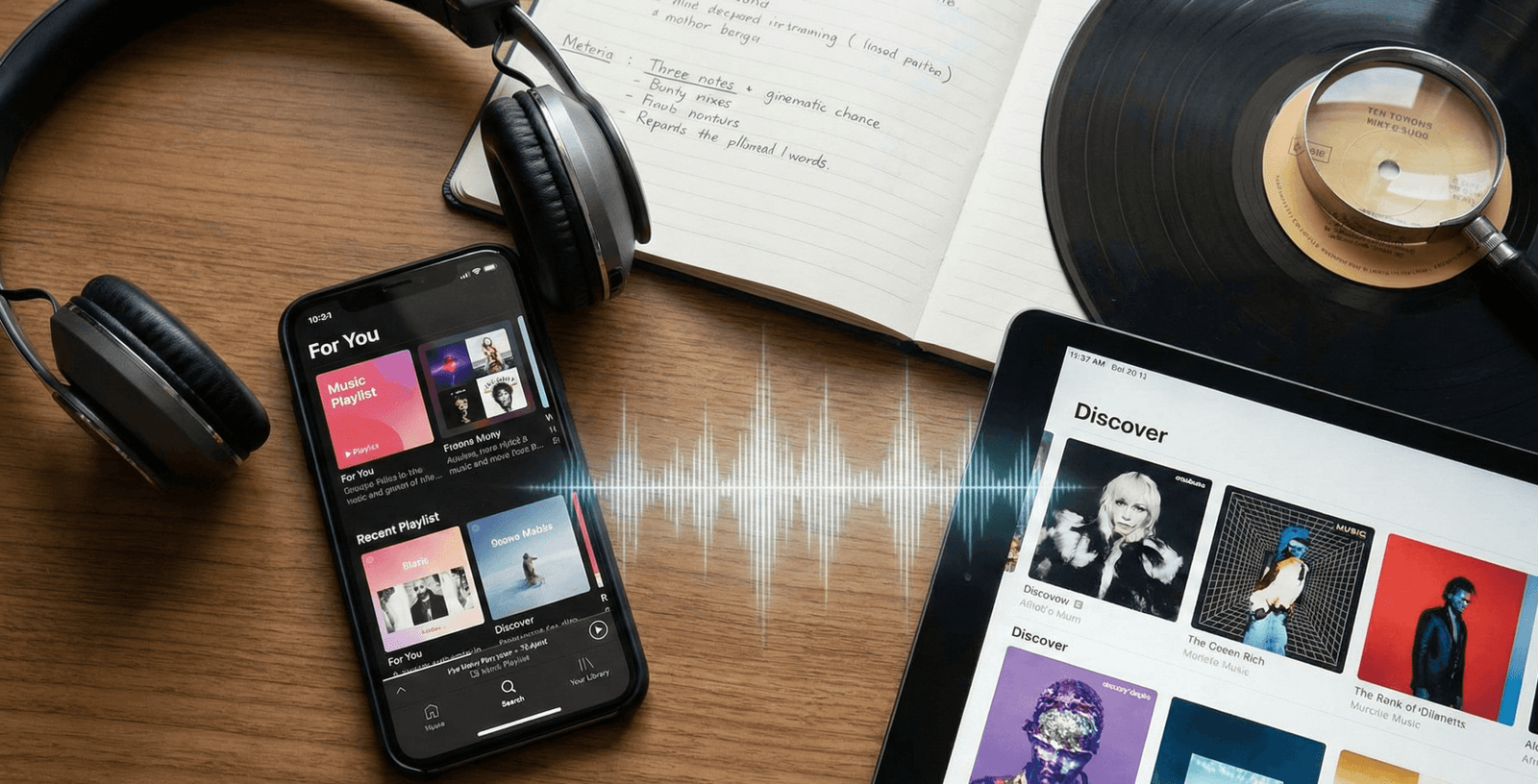
The evolution of music streaming over the past decade has fundamentally changed how we discover, consume, and connect with music. Platforms like Spotify, Apple Music, and YouTube Music have given us instant access to over 100 million songs — but with that abundance comes a critical question: are algorithms helping us discover more music, or trapping us in a bubble of the same old sounds?
The Rise of Music Streaming
Over the past decade, music streaming has revolutionized the way we listen to music. With just a few taps on our smartphones, we have access to millions of songs from all genres and eras. Gone are the days of buying physical CDs or downloading individual tracks. Now, we can stream music on-demand, creating personalized playlists and discovering new artists with ease.
The numbers speak for themselves: as of 2024, Spotify alone has over 600 million active users and pays out billions in royalties to artists every year. This shift from ownership to access has democratized music consumption — and transformed the music industry forever.
The Power of Algorithms in Music Streaming
At the heart of music streaming platforms are algorithms. These complex mathematical formulas analyze user data and behavior to provide personalized recommendations. Algorithms take into account factors such as listening history, favorite genres, and even the time of day to curate playlists tailored to individual tastes.
Algorithms have become an essential tool for music streaming platforms to keep users engaged and satisfied. By providing personalized recommendations, they help users discover new music that they might not have found otherwise. This has opened up a world of opportunities for both established and emerging artists, as their music can reach a wider audience. The same type of AI-driven personalization reshaping other industries is now deeply embedded in how we experience music every day.
The Personalization Debate
While algorithms have undoubtedly enhanced the music streaming experience, they have also sparked a debate about the impact of personalization on our musical preferences. Critics argue that algorithms create a “filter bubble,” where users are only exposed to music that aligns with their existing tastes. This could limit their musical exploration and prevent them from discovering diverse genres and artists.
On the other hand, proponents of algorithmic personalization argue that it helps users navigate the overwhelming amount of music available. With millions of songs at our fingertips, it can be challenging to find new music that resonates with us. Algorithms streamline the process by offering recommendations based on our preferences, saving us time and effort.
Finding the Right Balance
So, how can music streaming platforms strike a balance between personalization and discovery? One approach is to incorporate human curation alongside algorithms. By combining the expertise of music curators with the power of algorithms, platforms can offer a more diverse range of recommendations.
Human curators bring a unique perspective and can introduce users to music that might not fit their usual preferences but still resonates with them. This human touch adds an element of surprise and serendipity to the music discovery process, making it more exciting and rewarding.
Another way to address the personalization debate is to give users more control over their recommendations. Music streaming platforms can allow users to customize their preferences, indicating their willingness to explore different genres or discover new artists. This way, algorithms can still provide personalized recommendations while leaving room for users to step out of their comfort zones.
How AI Is Taking Music Streaming to the Next Level
One of the most exciting developments in music streaming is the rise of AI-generated music and AI-powered recommendation engines that go far beyond simple listening history. Modern AI can analyze the acoustic properties of songs — including tempo, key, energy, and instrumentation — to map your emotional state and suggest music that fits how you feel right now, not just what you’ve played before.
Spotify’s “DJ” feature and Apple Music’s personalized radio stations are early examples of this. As AI continues to evolve in the music industry, we can expect even more nuanced, context-aware listening experiences that feel less like a playlist and more like a personal soundtrack.
The Impact on Artists and the Music Industry
The evolution of music streaming hasn’t just changed how listeners experience music — it has fundamentally altered the economics of the music industry. Independent artists can now distribute their music globally without a major label, gaining fans in countries they’ve never visited. However, the streaming royalty model has also drawn criticism, with many artists arguing that per-stream payouts are too low to sustain a living. Platforms are under increasing pressure to improve artist compensation as streaming becomes the dominant form of music consumption worldwide.
The Future of Music Streaming
As music streaming continues to evolve, the role of algorithms and personalization will likely remain central. However, it is essential for platforms to prioritize the user experience and ensure that personalization does not hinder musical exploration. The future will likely see a blend of AI precision and human creativity — delivering music that feels both personally relevant and musically adventurous.
Conclusion
The evolution of music streaming has delivered incredible convenience and personalization — but the best platforms will be those that use algorithms as a tool for discovery, not a cage. By embracing both AI-driven recommendations and human curation, music streaming services can ensure that every listener continues to grow their musical world, one song at a time.